Chronic heel pain can make even simple daily steps feel like a challenge. You’ve tried over-the-counter medication, stretching, and everything else you could think of. It’s time to consider more advanced options.
At Rocky Mountain Foot & Ankle Center in Wheat Ridge, Evergreen, or Thornton, Colorado, our team helps patients find lasting relief. One of our most innovative treatments for persistent discomfort is platelet-rich plasma (PRP) therapy.
This biological treatment uses components of your own blood to stimulate healing in damaged tissues. It is helpful for chronic plantar fasciitis, which causes about 15% of foot issues.
What is PRP therapy, and how does it work?
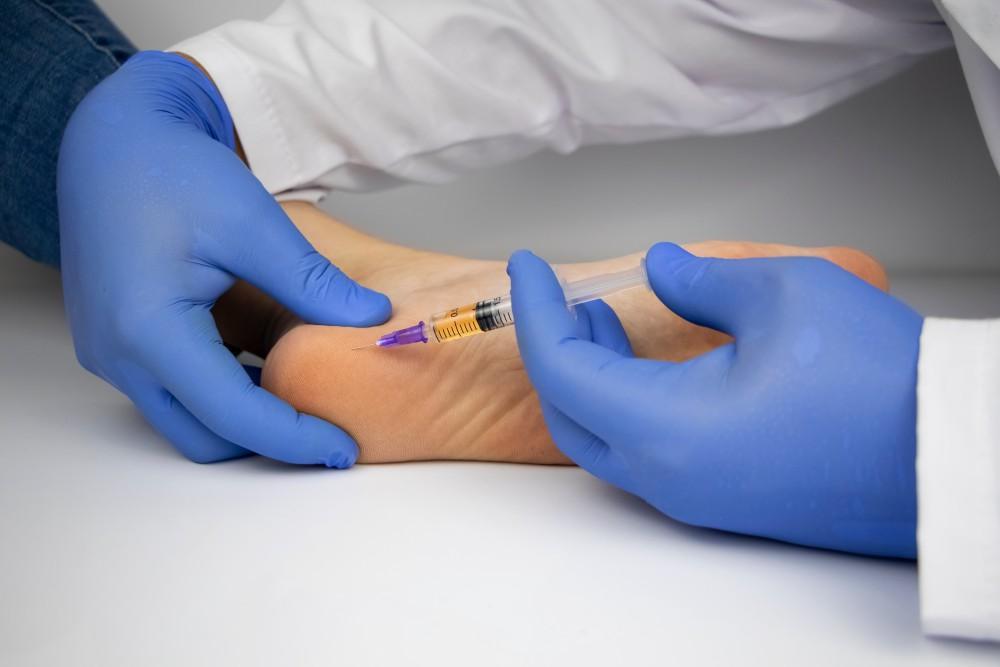
This regenerative medicine treatment uses concentrated platelets — derived from a small sample of your own blood — to heal damaged tissues. By separating the platelets in a centrifuge, we can concentrate them and inject them directly into your heel where they can get to work on healing.
These platelets release growth factors that kickstart your body's natural repair process. Unlike temporary treatments, PRP focuses on long-term tissue rebuilding. At Rocky Mountain Foot & Ankle Center, we use this advanced therapy to target the root cause of your pain.
How effective is PRP for chronic heel pain?
PRP therapy offers significant, long-term pain relief for patients who haven’t found success with basic treatments. While it’s not an instant cure, it helps rebuild degenerated tissue over time.
A study published in a 2024 issue of Cureus showed that most adults with chronic plantar fasciitis experienced meaningful pain reduction after a PRP injection.
PRP also shows better long-term results than traditional corticosteroid shots. A systematic review in a 2024 issue of the Journal of Foot and Ankle Surgery (Asia-Pacific) evaluated this comparison. The researchers found that PRP provided superior pain relief at six months and one year compared to corticosteroids.
What should you expect during recovery?
Recovery from a PRP injection requires a brief period of rest to let the healing process set in. Because the injection triggers a helpful inflammatory response, you must protect your foot. This may involve:
- No weight bearing on the treated foot for the first 48 hours
- Avoiding anti-inflammatory medications like ibuprofen for 7-10 days
- A gradual return to normal activities over several weeks
Research has shown that stopping anti-inflammatory drugs is crucial, as these medications can block the natural healing cascade.
Our podiatrists guide you through the PRP therapy procedure and recovery to ensure you get the best possible outcome.
If you’re tired of living with chronic heel pain, talk to our team. We can evaluate your feet and discuss if regenerative medicine is right for you. Contact Rocky Mountain Foot & Ankle Center today to schedule an appointment.